
The Ultimate Guide to the Best Accounting Software for Solopreneurs
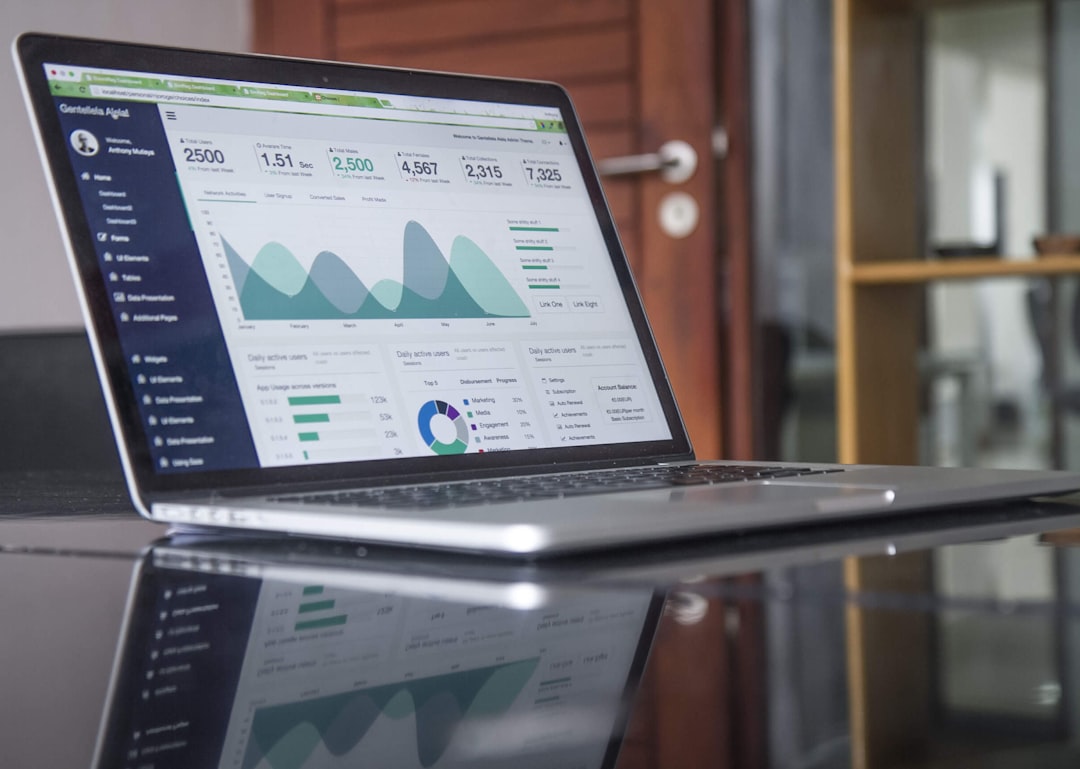
Photo by Carlos Muza on Unsplash
We don’t quote prices for third-party products: list prices change often and we can’t verify them for you. Check the vendor’s or retailer’s own current listing.
Introduction to Accounting Software for Solopreneurs and Freelancers
As a solopreneur or freelancer, you handle multiple responsibilities at once. Managing finances can be overwhelming, especially when you’re juggling multiple tasks. Many solopreneurs and freelancers struggle to stay on top of their finances because they use manual methods or outdated tools.
Key Takeaways
Here are the key takeaways:
- The best accounting software for solopreneurs and freelancers can help streamline finances and save time.
- Top accounting software options include QuickBooks Online, Xero, and Wave.
- AI-powered bookkeeping tools can automate tasks and reduce errors.
- When choosing an accounting software, consider scalability, security, and customer support.
Key Features to Look for in Accounting Software
As a solopreneur or freelancer, you need accounting software that can keep up with your unique needs. Some accounting software seems to miss the mark because they lack essential features. When evaluating accounting software, consider the must-haves. The benefits of using accounting software include staying organized, saving time, and gaining valuable insights to make informed decisions about your business.
Essential Features
Invoice management is a top priority. You need software that can generate professional-looking invoices, track payments, and send reminders when necessary. For example, FreshBooks offers customizable invoice templates and automatic payment reminders. Expense tracking is another crucial feature. Look for software that allows you to categorize expenses, track receipts, and generate expense reports. QuickBooks tracks expenses across multiple accounts and even categorize them for tax purposes. Some key features to consider are:
- Invoice management
- Expense tracking
- Tax preparation
- AI-powered bookkeeping
Top Accounting Software for Solopreneurs and Freelancers
As a solopreneur or freelancer, managing finances can be a daunting task, but the right accounting software can make all the difference. Let’s take a closer look at the top contenders.
The AI Bookkeeping System for Freelancers Who Hate Spreadsheets — Our $37 step-by-step guide shows how to replace a bookkeeping spreadsheet with the accounting software you pick, plus a fixed weekly routine that keeps the books honest. It is reading material, not software. read the eight sections of the guide
QuickBooks Online
QuickBooks Online is a popular choice for solopreneurs, freelancers, and small businesses. QuickBooks Online covers invoicing, expense tracking, and financial reporting. For example, you can create custom invoices with your company’s logo and send them to clients directly from the platform.
Xero
Xero is another top player in the accounting software game. With its clean interface and robust features, it’s a favorite among solopreneurs and freelancers who want to stay on top of their finances without getting bogged down in complicated accounting jargon. Xero offers automated bank feeds, invoicing, and project tracking.
Wave
Wave is a cloud-based accounting software that’s designed specifically for small businesses, solopreneurs, and freelancers. With its free plan, Wave is an attractive option for those who are just starting out or have limited financial resources. Wave covers invoicing, payment tracking, and financial reporting. Wave also offers a suite of integrated tools, including payroll and payment processing, which can be a huge time-saver for solopreneurs and freelancers.
Which One Is Right for You?
Here’s a brief guide to help you choose the best accounting software for your specific needs:
- Best free option: Wave
- Best for invoicing: FreshBooks
- Best for Schedule C filers: QuickBooks Self-Employed
- Best for simplicity: Xero
- Best for AI-powered bookkeeping: Zoho Books
Pricing
Prices vary widely, from free (with limited features) to several hundred dollars per month. It’s essential to consider your specific needs and budget when choosing an accounting software.
Frequently Asked Questions
As a solopreneur or freelancer, you’re likely to have a few questions about accounting software. Let’s tackle some of the most common ones.
What is the best accounting software for solopreneurs and freelancers? It depends on your specific needs. If you’re looking for a robust platform with a wide range of features, QuickBooks Online is a top choice. However, if you’re just starting out and want something simple and affordable, Wave or Zoho Books might be a better fit.
How much does accounting software cost? Prices vary widely, from free (with limited features) to several hundred dollars per month. It’s essential to consider your specific needs and budget when choosing an accounting software.
What are the benefits of using AI-powered bookkeeping tools? AI-powered bookkeeping tools can save you time and reduce errors. For instance, they can automate tasks such as data entry, invoicing, and expense tracking.
Additional Tips
When choosing an accounting software, consider the following factors: scalability, security, and customer support. Look for software that can grow with your business, has robust security measures in place, and offers reliable customer support.
The key takeaway is that the best accounting software for solopreneurs and freelancers is one that meets your specific needs and budget. By considering the factors mentioned above and exploring AI-powered bookkeeping tools, you can streamline your bookkeeping processes and focus on what matters most: growing your business.
Keep reading
Want to go deeper? Read our guide on Best Bookkeeping Software for Self-Employed: Expert Guide.
Related guides
- 7 Best AI-Powered Sole Trader Accounting Software (2026)
- 10 Best Accounting Software for Large Businesses (2026
- 7 Best AI-Powered Sole Trader Accounting Software (2026)
- AI Accounting Certification: How to Choose One (2026 Guide)
Next step: For the complete routine in one printable document, see our $37 guide for freelancers who keep their own books. see how the guide is organized