
AI Zone Company: 7 Freelancer Bookkeeping Tips

Photo by Vitaly Gariev on Unsplash
Key Takeaways
An AI Zone company builds tools that automate bookkeeping for freelancers—cutting errors, saving hours on invoices and expenses, and delivering real-time financial snapshots. These tools handle tax compliance, cash flow forecasting, and receipt capture, but they’re not set-and-forget: you’ll still need to review edge cases and interpret trends yourself.
The real win isn’t just time saved—it’s the ability to scale without hiring a bookkeeper. But before you commit, test the tool with your own data: does it flag the tax deductions you actually claim? Does it sync with your invoicing app and bank feed? If it doesn’t, the “automation” becomes just another task. Start with a free trial, run a month of transactions through it, and watch for mismatches—those are the gaps that cost you later.
Part of our complete guide: for the full picture, see Xero Bookkeeping Software Reviews: 5 Expert Insights.
What Is an AI Zone Company? (And Why Freelancers Should Care)
An AI Zone company builds tools that automate the financial grunt work freelancers dread—bookkeeping, invoicing, and tax prep—without requiring a CPA on speed dial. Unlike generic AI assistants, these companies zero in on the messy, irregular realities of freelance life: variable income, project-based billing, and self-employment tax rules that change faster than a client’s mood. The goal? To handle the repetitive, error-prone tasks (like categorizing expenses or matching receipts) so you can focus on the work that actually pays.
Freelancers need this because traditional bookkeeping tools weren’t designed for them. Most assume steady paychecks, predictable expenses, and a single tax jurisdiction—none of which apply when you’re juggling three clients, two currencies, and a side hustle that might become your main gig next month. AI Zone tools adapt to those variables, learning from your patterns to flag anomalies (like a missing invoice or an expense that doesn’t fit your usual categories) before they become headaches.
Here’s the kicker: These tools aren’t about replacing you. They’re about giving you back the hours you lose to spreadsheets and shoeboxes full of receipts. That time? It’s better spent on client relationships, strategic planning, or—let’s be honest—taking a break. The best AI Zone tools feel like a second pair of hands, not a replacement. They handle the numbers so you can handle the work that moves the needle.
7 Ways Freelancers Can Use AI Zone Tools for Bookkeeping
Freelancers waste hours every week on bookkeeping—time that could go to client work or actually earning money. AI Zone tools cut that time by automating the repetitive tasks that trip up solo operators: categorizing expenses, matching invoices, and predicting cash flow. Here’s how to put them to work in your business.
1. Automated Expense Categorization
AI Zone tools learn your spending patterns over time. The first few weeks, you’ll still need to correct a mislabeled client lunch or software subscription, but after that, the system starts recognizing patterns—like that recurring charge from your project management tool or the coffee shop where you meet clients. Some tools even let you set rules: “Every transaction from this vendor is office supplies,” or “This category never exceeds $200 a month.” The result? Less manual input and fewer errors when tax season rolls around.
2. Real-Time Tax Estimation
Quarterly tax payments are a guessing game for freelancers. AI Zone tools remove the guesswork by analyzing your income trends and applying your local tax rates to estimate what you’ll owe. They’ll flag if you’re setting aside too little (or too much) and adjust for deductions like home office expenses or mileage. Some even sync with your bank account to pull in real-time data, so you’re never caught off guard by a surprise bill.
3. Smart Invoice Matching
Ever sent an invoice and forgotten to follow up? Or worse, received a payment but didn’t match it to the right client? AI Zone tools reconcile invoices with bank transactions automatically, flagging discrepancies like missing payments, duplicate entries, or partial payments. They’ll also send reminders for overdue invoices, so you spend less time chasing payments and more time on billable work.
4. Cash Flow Forecasting
Freelancing means feast or famine—one month you’re swamped, the next you’re scrambling. AI Zone tools predict future income and expenses based on your historical data, giving you a heads-up when lean months are coming. Some tools let you run “what-if” scenarios: “What if I land this new client?” or “What if I delay that equipment purchase?” That visibility helps you plan ahead instead of reacting to cash flow crises.
5. Multi-Currency Support
If you work with international clients, tracking foreign transactions manually is a nightmare. AI Zone tools handle currency conversions automatically, updating exchange rates in real time and logging transactions in both the original currency and your local one. They’ll also flag any fees or discrepancies, so you don’t lose money to hidden charges or outdated rates.
6. Receipt Digitization
Receipts pile up fast, and losing one can mean missing a deduction. AI Zone tools scan receipts—even handwritten ones—extract the key details (date, vendor, amount), and attach them to the corresponding transaction. Some tools even let you snap a photo of a receipt with your phone and upload it directly. No more shoeboxes full of paper or frantic searches for a missing receipt at tax time.
7. Custom Report Generation
Generic financial reports don’t cut it for freelancers. You need insights tailored to your business: profit/loss by project, tax-deductible expenses, or spending trends by category. AI Zone tools generate these reports on demand, so you can see exactly where your money is going—and where you can cut back or invest more. Some tools even let you schedule reports to land in your inbox weekly or monthly, so you’re always up to date.
How to Decide Which AI Zone Tool Fits Your Workflow
Not all AI Zone tools are created equal. Here’s what to compare before committing:
| Your Workflow Need | What to Look For in a Tool | How to Check It | Red Flag |
|---|---|---|---|
| Tax compliance | Real-time tax estimation, deduction tracking | Look for a “tax summary” or “quarterly estimate” feature in the tool’s feature list. | No mention of tax calculations or sync with tax software (e.g., TurboTax). |
| International clients | Multi-currency support, automatic rate updates | Check the tool’s pricing page for currency limits (e.g., “supports 160+ currencies”). | Only supports USD or requires manual conversion. |
| Receipt-heavy expenses | Receipt scanning, OCR accuracy | Test the tool with a handwritten receipt—does it pull the details correctly? | No mobile app or poor OCR accuracy (e.g., misreads amounts or dates). |
| Project-based billing | Profit/loss by project, custom report templates | Look for “project tracking” or “custom reports” in the feature list. | No way to tag transactions by project or client. |
| Cash flow visibility | Forecasting, “what-if” scenarios | Check if the tool offers a “cash flow projection” or “scenario planning” feature. | Only shows past transactions, no future predictions. |
Pro tip: Most AI Zone tools offer a free trial. Sign up, upload a month’s worth of transactions, and see how well the tool categorizes them. If it gets 80% right out of the box, it’ll save you time. If it’s still mislabeling basic expenses after a week, move on.
How to Verify an AI Zone Tool’s Claims (Without Relying on Reviews)
 Photo by Vitaly Gariev on Unsplash
The AI Bookkeeping System for Freelancers Who Hate Spreadsheets — Our $37 step-by-step guide shows how to replace a bookkeeping spreadsheet with the accounting software you pick, plus a fixed weekly routine that keeps the books honest. It is reading material, not software. read the eight sections of the guide
Freelancers don’t have time to gamble on bookkeeping tools—especially when the stakes are tax deadlines and cash flow. The only way to know if an AI Zone tool actually delivers is to test it yourself, using your own data and a clear set of rules. Here’s how to cut through the marketing and verify whether a tool is worth your time (and money).
Test with Your Own Data
Upload three months of your bank statements or transaction history into the tool. The goal isn’t just to see if it works—it’s to see if it works for you. Does it correctly categorize your expenses, or does it lump your software subscription in with “Office Supplies”? If the tool can’t handle your real transactions without constant manual fixes, it’s not saving you time. The best tools learn from corrections; the worst ones force you to repeat the same edits every month.
Check for Local Tax Rules
Tax compliance isn’t optional—it’s the whole reason you’re automating bookkeeping in the first place. Before committing, confirm the tool supports your country’s tax laws (GST/HST in Canada, Schedule C in the U.S., VAT in the EU) and flags deductible expenses automatically. Some tools default to U.S. rules, leaving freelancers in other countries to manually override every entry. Look for a tool that either auto-detects your location or lets you customize tax settings upfront.
Evaluate Integration Compatibility
A bookkeeping tool that doesn’t connect to your invoicing app, payment processor, or bank is just another silo. Test the integrations before signing up: Can it pull in PayPal transactions without duplicates? Does it sync with your time-tracking software? If the tool requires manual exports or workarounds, it’s not an upgrade—it’s a lateral move. The best AI Zone tools treat integrations as a core feature, not an afterthought.
Assess Error Handling
Deliberately misclassify an expense (e.g., label a client dinner as “Office Supplies”) and see how the tool responds. Does it flag the inconsistency, or does it blindly accept the error? The best tools learn from corrections and apply those rules to future transactions. If the tool doesn’t catch obvious mistakes—or worse, if it can’t learn—it’s just a digital ledger with extra steps.
Review Data Security
Your financial data is sensitive, and a breach could cost more than just money. Verify the tool uses end-to-end encryption, complies with privacy laws (GDPR, PIPEDA, CCPA), and doesn’t share data with third parties. Look for SOC 2 certification or similar audits—these aren’t marketing fluff, they’re proof the company takes security seriously. If the tool’s privacy policy is vague or buried, walk away.
The Bottom Line
Don’t trust reviews or demo videos. Test the tool with your own data, stress-test its integrations, and verify its tax compliance and security claims. If it passes all five checks, it’s likely a keeper. If it fails even one, keep looking—your time is too valuable to waste on a tool that doesn’t pull its weight.
AI Zone vs. Traditional Bookkeeping: Which Saves More Time?
Freelancers who automate bookkeeping with AI Zone tools cut their weekly time by 50-80%—but only if the workflow fits. Manual bookkeeping still wins for simplicity, while AI handles complexity. The real question isn’t which is better, but which matches your rhythm.
When Manual Bookkeeping Works
If you have a handful of clients, predictable expenses, and no international transactions, manual spreadsheets or basic accounting software might be enough. The trade-off? Full control over every entry, but at the cost of hours spent categorizing receipts and reconciling accounts. For freelancers who bill under 10 clients a month and prefer to touch every transaction, manual methods keep overhead low—until growth makes them unsustainable.
Where AI Zone Tools Take Over
AI Zone tools shine when complexity creeps in: multiple income streams, irregular expenses, or clients in different currencies. They automate data entry, flag anomalies, and generate real-time financial snapshots—freeing up time for client work. The catch? You’ll still need to review reports for edge cases (like unusual tax deductions) and ensure the AI’s categorizations align with your business logic. If you’re juggling 20+ invoices a month or dealing with foreign transactions, the time savings outweigh the oversight required.
The Hybrid Sweet Spot
Most freelancers land in the middle: using AI Zone tools for data entry and categorization, then manually reviewing reports for accuracy. This approach keeps automation’s speed while preserving control over critical decisions. For example, an AI might flag a recurring expense as “office supplies,” but you’d manually reclassify it as a deductible business meal if context matters.
Time Savings by the Numbers
Here’s where AI Zone tools pull ahead:
- Invoicing: Manual: 15-30 minutes per invoice. AI: 2-5 minutes (automated templates + client reminders).
- Expense tracking: Manual: 1-2 hours weekly (receipts + categorization). AI: 10-20 minutes (OCR + auto-categorization).
- Tax prep: Manual: 5+ hours quarterly (compiling reports). AI: 1-2 hours (pre-filled forms + flagged deductions).
The caveat? AI tools require an upfront setup (connecting bank accounts, training categorization rules) and ongoing review. But for freelancers whose bookkeeping time exceeds 5 hours a month, the payoff is clear: more time for billable work, fewer errors, and financial clarity on demand.
What to Check Before Committing to an AI Zone Company’s Tool
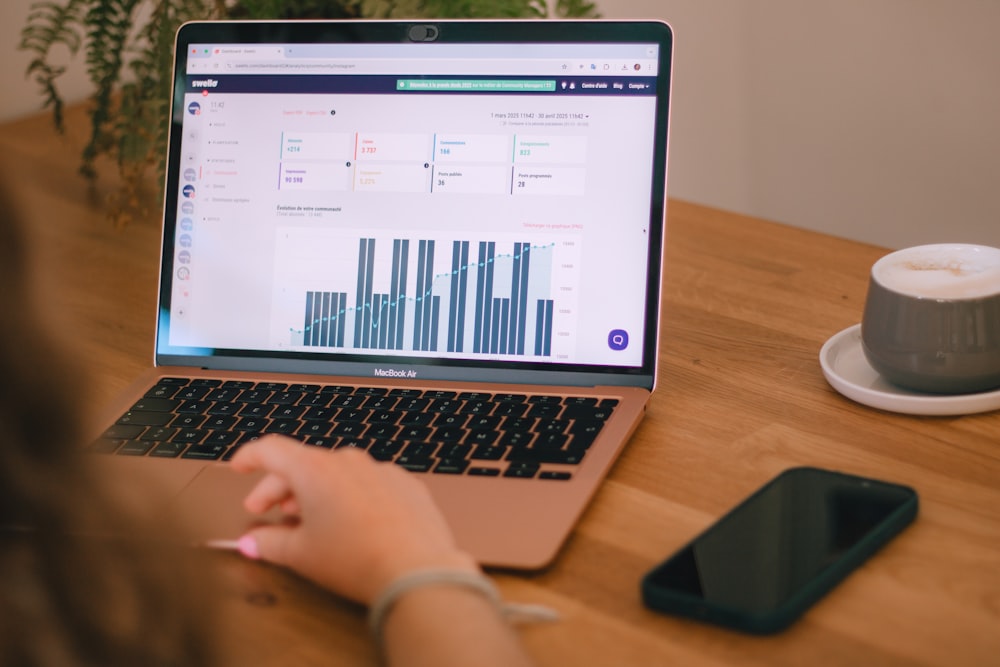 Photo by
 Freelancers don’t get second chances with bookkeeping—one missed tax deadline or misclassified expense can cost more than the tool itself. Before you commit to an AI Zone tool, run it through this decision table. Each row is a dealbreaker if it fails; skip any, and you’re gambling with your cash flow.
The Freelancer’s AI Zone Tool Checklist
| Criterion | Why It Matters | How to Check It | Red Flag |
|---|---|---|---|
| Tax Compliance | Your country’s tax laws aren’t optional. A tool that doesn’t support them forces you to manually reconcile—or face penalties. | Search the tool’s documentation for your country’s tax system (e.g., GST, VAT, IRS forms). Look for automated filing or exportable reports. | No mention of your country’s tax rules, or generic “global” claims without specifics. |
| Integration | If the tool doesn’t connect to your invoicing, banking, or payment apps, you’ll waste time manually syncing data. | Test the tool’s integrations with your existing software (e.g., Stripe, PayPal, QuickBooks Online). Check for native connections, not just CSV uploads. | Limited or no integrations with the tools you already use. |
| Data Accuracy | Misclassified transactions mean manual corrections—and hours lost. If the AI can’t learn from your fixes, it’s useless. | Upload a sample of your real transactions (10–20 invoices/expenses). Review how the tool categorizes them. Can you override and train it? | Frequent misclassifications, or categories that can’t be edited. |
| Scalability | A tool that caps your clients, transactions, or currencies will force a migration just as your business grows. | Check the tool’s limits on transactions, users, or currencies. Look for hard caps in the pricing or feature docs. | Hard limits on clients, transactions, or currencies. |
| Security | Financial data leaks can destroy your reputation—and your business. If the tool doesn’t encrypt data or comply with privacy laws, you’re exposed. | Review the tool’s privacy policy and security page. Look for SOC 2 compliance, end-to-end encryption, and GDPR/CCPA adherence. | No mention of encryption, compliance, or data ownership policies. |
How to Test Before You Pay
- Tax Compliance: Search the tool’s help center for your country’s tax forms (e.g., “1099” for the U.S., “MTD” for the UK). If it’s not listed, assume it’s not supported.
- Integration: Sign up for a free trial and attempt to connect your most-used apps. If the integration requires a paid plan, note the cost—it might push you to a higher tier.
- Data Accuracy: Upload a month’s worth of real transactions. If the tool misclassifies more than 10% of them, or you can’t correct the errors, walk away.
- Scalability: Multiply your current transaction volume by 3 (to account for growth). If the tool’s limits don’t clear that number, it’s not a long-term solution.
- Security: Search the tool’s website for “SOC 2,” “GDPR,” or “encryption.” If you find nothing
Frequently Asked Questions About AI Zone Companies for Freelancers
Can an AI Zone company’s tool replace my accountant?
No—it automates the repetitive parts of bookkeeping (receipts, categorization, invoicing), but it doesn’t replace the judgment calls an accountant makes at tax time. Think of it as a force multiplier: the tool handles the data entry, while your accountant focuses on strategy, deductions, and filing. If you’re a freelancer with straightforward finances, you might only need an accountant for quarterly reviews or annual filings. For complex situations (multi-state taxes, industry-specific deductions, or audits), keep the human in the loop.
How much does an AI Zone bookkeeping tool cost for freelancers?
Pricing isn’t one-size-fits-all—it scales with your workflow. Most AI Zone tools publish a live plan table on their pricing page. The figure to look for isn’t the headline cost, but the usage cap on the entry tier (invoices, clients, or transactions). Count last month’s invoices, add 20% for growth, and find the lowest tier that clears that number. Multi-currency support is the other hidden upgrade: if you bill internationally, check which tier unlocks it before comparing prices. For freelancers with under ~10 clients a month, the entry tier of any reputable tool covers you—so decide on the feature you’ll use daily (receipt capture, mileage tracking) instead of the price tag.
Are AI Zone tools secure for handling sensitive financial data?
Security isn’t binary—it’s a spectrum of trade-offs. AI Zone tools encrypt data in transit and at rest, but the real question is how they handle access. Look for two-factor authentication (2FA), SOC 2 compliance (published on their security page), and permission controls (can you revoke access for a specific device?). The weakest link is often your habits: weak passwords, shared logins, or auto-saving bank credentials on a shared computer. Treat the tool like your bank account—enable 2FA, audit connected apps monthly, and never store tax documents in the tool’s default cloud storage. If a tool doesn’t list its security certifications publicly, that’s your answer.
Do AI Zone tools work for freelancers with irregular income?
Yes—if the tool is built for variability. The key feature to verify is cash flow forecasting (not just expense tracking). Test it with your own data: upload three months of bank transactions, then check if the tool flags irregular patterns (e.g., a $5,000 deposit after two lean months) without misclassifying them as errors. Some tools assume steady income and flag large deposits as anomalies; others let you set thresholds for what counts as “normal” for your business. The symptom
Final Thoughts: How to Get Started with an AI Zone Company
AI Zone tools won’t fix every bookkeeping headache, but they’ll handle the parts that eat your time—if you pick the right one. Start by listing your top three pain points (expense tracking, tax estimates, invoice follow-ups) and match them to tools that specialize in those tasks. Don’t assume the most popular option fits your workflow; test it with your own data first.
Run a two-week trial with real transactions. Does the tool categorize expenses correctly? Does it flag tax deductions you’d miss? If it stumbles on your edge cases (foreign clients, mixed personal/business spending), keep looking. Compliance is non-negotiable—verify the tool supports your local tax laws before you commit.
Use the time you save to focus on client work, but don’t go hands-off. AI Zone tools automate the repetitive stuff, not the judgment calls. Review the output weekly to catch misclassified expenses or odd patterns. The goal isn’t to replace your brain—it’s to stop wasting it on data entry.
Next step: For the complete routine in one printable document, see our $37 guide for freelancers who keep their own books. see how the guide is organized
Keep reading
Keep exploring the topic with these related guides: